
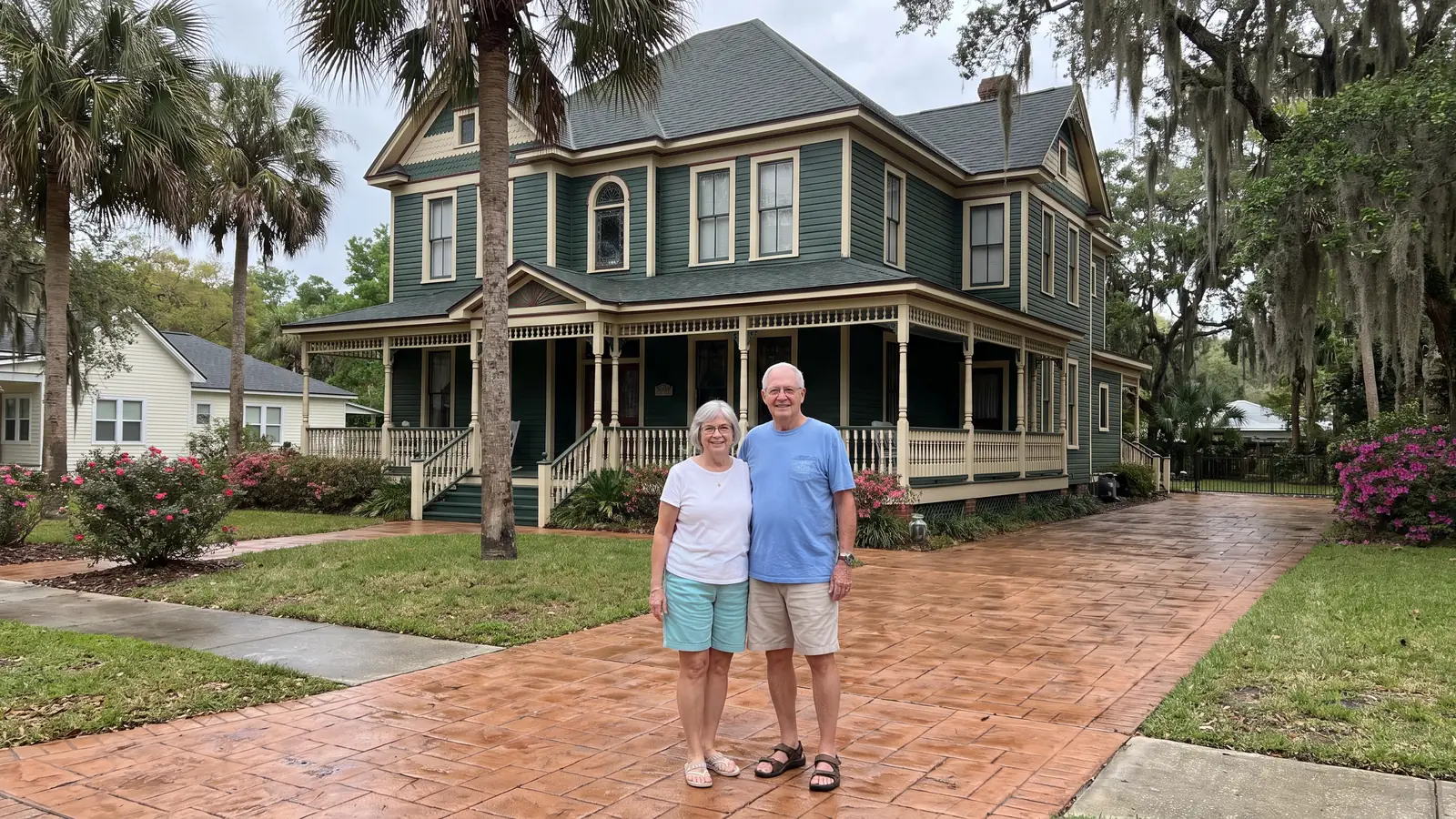
Paver sealing for Jacksonville Beach homes
Paver Sealing in Jacksonville Beach, FL
Salt, sand and summer storms wear on Jacksonville Beach pavers, so call (386) 854-4508 for a free sealing estimate.
- Brings out deeper paver color
- Fresh joint sand helps lock pavers in place
- Gives weeds less room to grow
- Makes the surface easier to keep clean
- Free estimate, no obligation
Request a Free Estimate
Free, no obligation.
Fast, careful paver sealing in Jacksonville Beach
Paver sealing in Jacksonville Beach begins with a free estimate from a local contractor. That contractor washes, re-sands and seals driveways, pool decks and walkways. Choose to send a quick request and a reply comes within 1 business day, usually much sooner. The estimate carries no obligation.
Picture a driveway a few blocks from the ocean at the end of a salty summer. The color looks chalky, sand is missing from the joints, and weeds are starting along the edge. A wash, fresh sand and a new coat bring one even tone back, and you can call (386) 854-4508 to talk it through first.
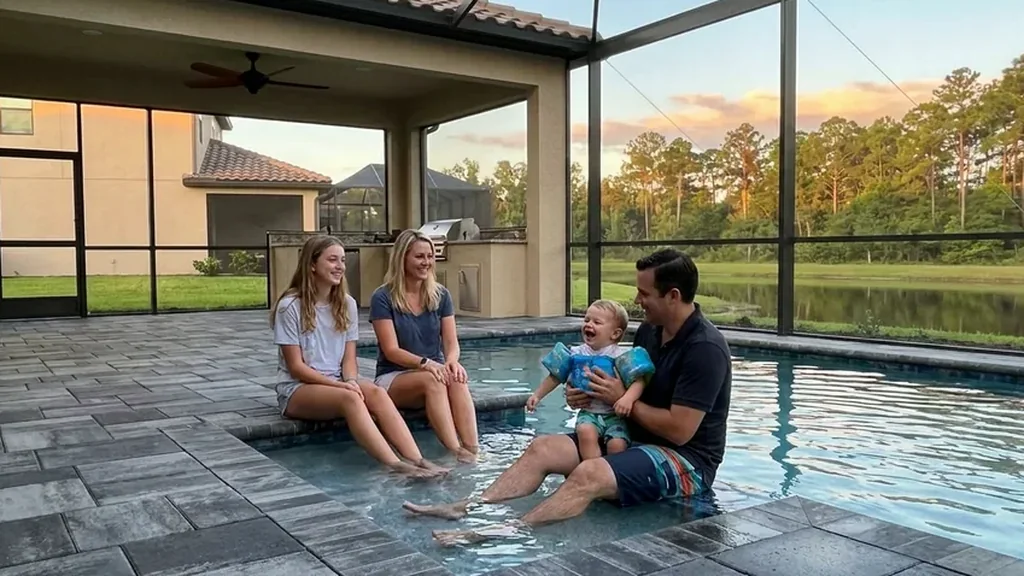
Why hire a local paver sealing contractor in Jacksonville Beach?
A beach lot gets salt, sand and heavy summer rain on top of normal wear, so people here lean toward a contractor who sees that every week. To hear how it applies to your street, send a quick request.
A free look first
The contractor walks your Jacksonville Beach pavers and gives a price before anything is agreed. Saying no costs nothing. You keep full control from the first call.
A range you can compare
Companies across Northeast Florida publish $1.75 to $3.25 per square foot. Hold any bid up against that.
Grip near the pool
Matte finishes tend to grip better when wet. Ask about traction on any pool deck or steps near the water.
Your call on timing
The date, the finish and the final yes are all yours. A rainy week can move the date without any penalty.
Get Your Free Estimate in Jacksonville Beach
Tell us about your pavers in Jacksonville Beach.
Free, no obligation
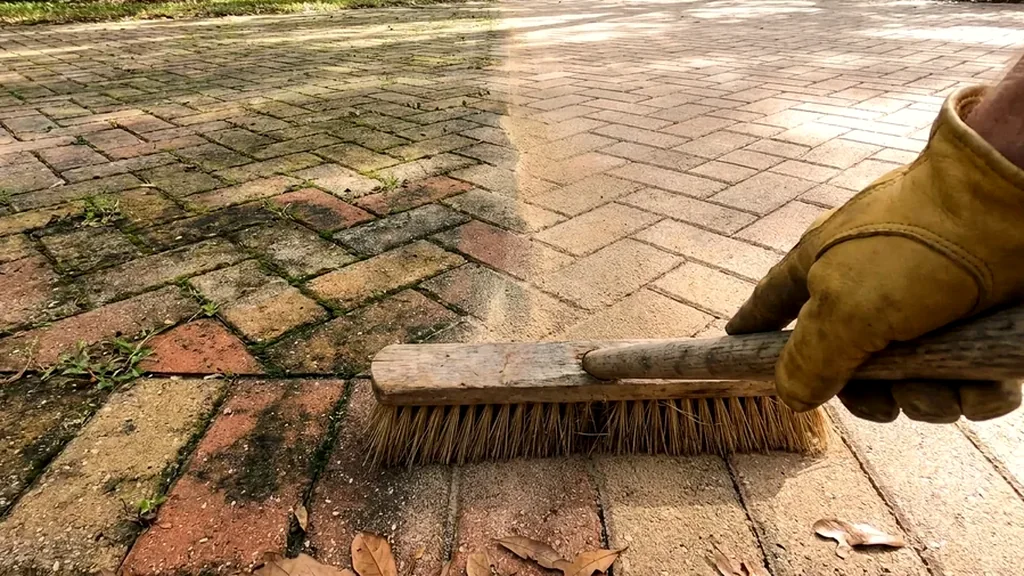
What paver problems show up most in Jacksonville Beach?
Salt film and chalky color
One beaches paver company says airborne salt settles on unsealed pavers and works into the pores. It adds that sun and salt together leave older pavers looking chalky. With the Atlantic a few blocks away, that is the first thing many Jacksonville Beach homeowners notice. Sealer slows it, which means color holds longer between washes. The finish you pick changes how that film looks, and a pale paver shows it sooner than a darker blend. Ask how often a rinse would help. Sunscreen and pool-chair feet leave marks of their own on a deck, and a sealed surface wipes clean far more easily. Pale pavers show salt residue and splash marks sooner than blended neutral tones, according to a paver maker, so a lighter patio may need more frequent rinsing.
Joint sand that migrates
The city sits on a barrier island, and the paver company above says sandy ground and hard summer rain move joint sand around. August alone averages 7.54 inches of rain here. Open joints let weeds and ants in. A re-sanded, sealed joint stays put far better than a bare one. Heavy tires and turning wheels loosen sand too, so the apron near the street usually goes first. Check that spot when the weather clears. A yearly look at the joints in spring is a simple habit that catches the loss early.
Water over low driveways
On December 6, 2016, News4Jax reported driveways near 12th Avenue South under water after a record 1.76 inches fell in a short time. Matthew pushed water inland to at least 2nd Street that October. Pavers that sat in storm water can keep a film of silt. That silt gets washed away first, since sealer would trap it. A drive that slopes toward the street tends to collect silt at the bottom. Sealing over silt is a common cause of a patchy, dull finish later.
Damp surfaces that fog the sealer
A Jacksonville paver company says most white or cloudy sealer comes from sealing damp pavers or laying the coat on too thick. The ocean air here keeps surfaces damp longer than it does inland. A patient contractor holds off until the pavers have dried. Rushing that step is how a clear coat ends up looking milky. Pools, sprinklers and sea mist all add moisture, so the wait after washing can run longer than a homeowner expects. You can lessen the odds by choosing a clear, dry stretch in the forecast. Sprinkler heads that throw water onto the drive also keep the edges damp. Turning them away helps.
Shaded spots that stay green
North-facing patios and side yards stay wet, and algae and mildew follow. The same beaches company points to shaded spots as the place black mildew shows up first. If a wall or fence blocks the sun on your walkway, expect green there first. Washing and sealing together keeps it from coming right back. A sunny strip beside it can look fine while the shaded half turns dark. That uneven look is the usual sign it is time for a wash. Fallen leaves can set brown tannin spots into bare pavers.
Does paver sealing change from one Jacksonville Beach neighborhood to the next?
How does the Pablo Beach grid differ?
Yes, because the age and layout of the homes change the job. South Pablo Beach has a walkable grid of small lots, while Sea Grove nearby holds 174 homes built in the 1920s. Tight lots mean hand-carried gear and more prep time, so tell the contractor your block when you send a quick request. Older cottage streets also tend to have narrow side access, which is worth mentioning up front.
What changes near Ocean Terrace?
Ocean Terrace dates to the early 1980s, sits near South Beach Park and has a confirmed HOA. If you live in a community with an association, check its rules on finishes and work hours before you pick a date. Call (386) 854-4508 and the contractor can tell you what to look for. Many associations also ask that work happen on weekdays during daytime hours.
What about mid-century homes?
The city also has a notable run of mid-century modern homes, much of it by architect William Morgan. Flat roofs and clean lines look best with a quiet matte finish, not a glossy one. If your pavers meet a house like that, send a quick request and mention the style. Ask for the sealer to be tested on a small spot if you are unsure.
Where does local history fit?
The Beaches Museum at 381 Beach Boulevard keeps a history park with the area's first post office, a 1911 train engine and a chapel from 1886. Streets near it are among the older parts of town. Pavers there may carry an older coat, so mention their age when you send a quick request.
What does paver sealing cost in Jacksonville Beach?
What sets the price here?
Published prices around Northeast Florida for cleaning, sanding and sealing run $1.75 to $3.25 per square foot. Where a Jacksonville Beach driveway lands in that range depends on old sealer, missing sand and how much green is on the surface. To put a real number on a driveway like yours, send a quick request. Bids that name the sealer product make it easier to compare.
Does access change the quote?
Small jobs run higher per square foot, since prep time does not shrink with the area. Locked gates, stairs and tight side yards add time too, and a pool deck takes more care than an open drive. Call (386) 854-4508 and the contractor can say which of these apply before any work starts. Fall work after hurricane season is one way some owners plan around the busy summer weather.
How are pool decks priced?
Pool decks run a little differently. A Jacksonville cost guide says pool decks typically get a penetrating sealer for traction, and pool chemistry changes how often the coat is renewed. If your deck has a salt system, say so when you send a quick request.
| Paved area | Typical example | Clean, sand and seal |
|---|---|---|
| 300 sq ft | Small patio or walkway | $525 to $975 |
| 600 sq ft | Two car driveway | $1,050 to $1,950 |
| 1,000 sq ft | Large driveway or pool deck | $1,750 to $3,250 |
| 1,500 sq ft | Driveway plus pool deck | $2,625 to $4,875 |
Math based on the $1.75 to $3.25 per square foot that Northeast Florida paver companies publish. Your contractor sets the actual price after seeing the surface. Repairs, leveling and stripping failed sealer are usually extra.
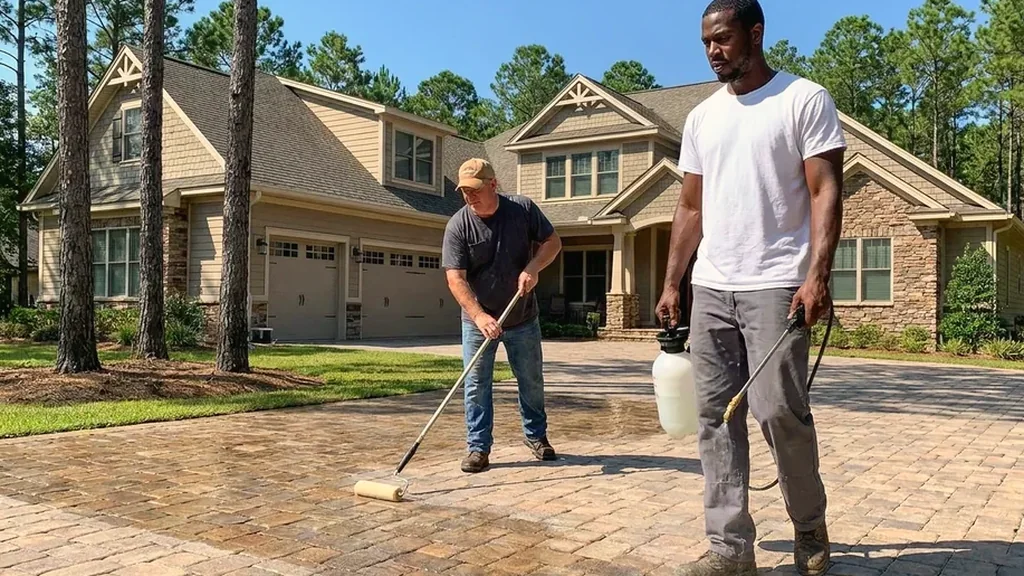
How does a paver sealing job work in Jacksonville Beach?
Look the lot over
First comes a walk around the lot to see where water runs off, where shade lingers and which spots have sunk. Sunken or lifted areas are reset first, because sealer only preserves them. An earlier coat gets identified, because water-based product laid over solvent-based fails. You can point out any spot where water pools after a storm, and the contractor will note it. A short list of questions about pets, vehicles and sprinklers is covered at this stage too.
Wash off salt and silt
Next the surface is washed to lift salt film, algae, tire marks and silt from storm water. Rust from sprinklers gets treated here too. This comes before sealer on purpose, because sealer locks in whatever is left underneath. Rinse water stays off door frames, landscaping and stucco edges wherever the pavers meet the house. Washing also shows what the surface looks like, which helps set the price.
Fill the joints again
The wash drags sand from the joints, and fresh sand is packed back in ahead of the coat. On island ground that shifts, full joints keep the pavers from drifting and keep weeds from taking root. The surface is then swept clean. Sand that is packed well also gives the sealer something firm to bond to along the joint lines. The sand is chosen to match the paver color when the owner wants it to.
Let it dry all the way
Sealer needs a dry surface. Ocean air and afternoon storms can slow that, so a good contractor watches the sky and the pavers and waits. Sealing damp pavers is how a coat turns cloudy. On a shaded patio near a wall, that can mean an extra day. A patient wait is cheaper than stripping a fogged coat.
Apply the coat and set the stay-off time
Next the sealer goes on in your chosen finish, with a roller following the sprayer to work it into the joints. On a wet look, scuffs from tires and shoes show sooner than they would on matte. Walking is usually fine after a few hours, but cars should stay off for roughly a day. Ask for the product name and the finish in writing so the next coat matches. Before the contractor leaves, you should know exactly when you can use the surface.
Complete paver services in Jacksonville Beach
In what order does the work run?
Every Jacksonville Beach job runs in one order: wash first, then sand, then a dry wait, then sealer. The wash takes off salt and algae, and fresh sand fills the joints before the coat goes on. That order keeps dirt from being sealed in. To ask how long each stage takes on your lot, call (386) 854-4508.
Which surfaces get sealed?
Driveways, pool decks, walkways and courtyards all wear differently here. Driveways take tire turns and sun, pool decks take splash and traction worries, and shaded walkways go green. List your surfaces when you send a quick request, so the quote fits them. A courtyard beside the house may need hand tools instead of a large machine.
Which sealer and finish?
The big choices are water-based or solvent-based, and matte or wet. An earlier solvent coat rules out a water-based product, so the old coat picks the new one. Near water, a matte finish tends to be easier on bare feet. Call (386) 854-4508 to talk finishes.
How does the season set the date?
Timing matters at the beach. Rain peaks in summer, and the hurricane season runs from June 1 to November 30. A cost guide suggests sealing in the fall, once the season ends. To plan a date, send a quick request.
Questions to ask before you hire
- My yard has a lot of live oaks, so how do you deal with the tannin stains from fallen leaves?
- What should I do with my cars and my patio chairs the day before you arrive?
- Can you tell me how many square feet you measured, and how the number was reached?
- Is the estimate written down with the sealer, the coats and the square footage listed?
- Can the price be split into a clean-only option and a clean-and-seal option?
- Will the finish be glossy or matte, and can I see a sample on a spare paver first?
- The pavers back onto a retention pond, so how do you keep rinse water out of it?
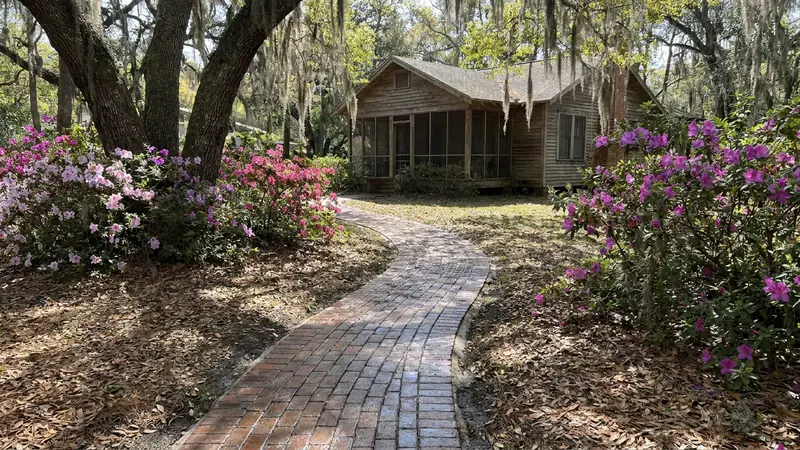
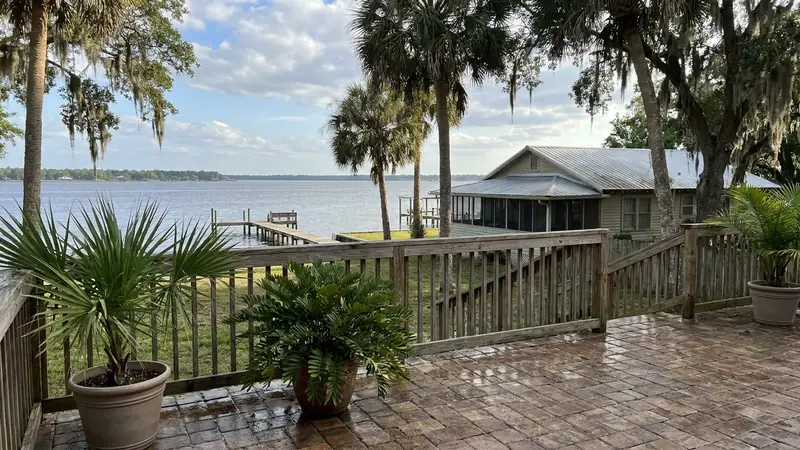
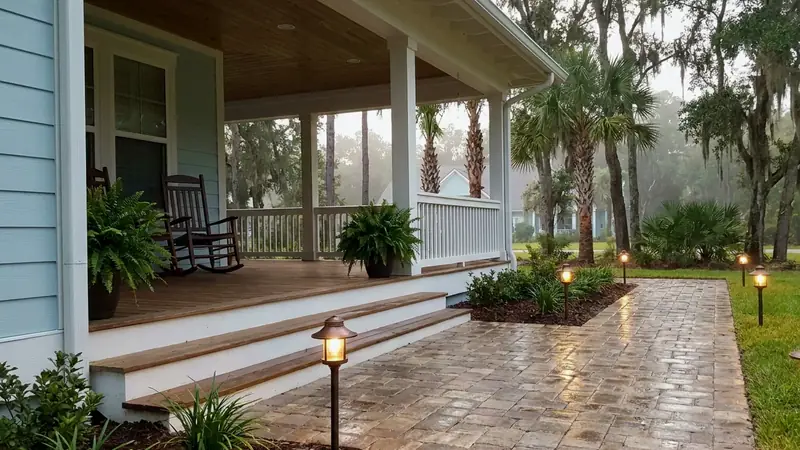
What do sealed pavers look like around Jacksonville Beach?
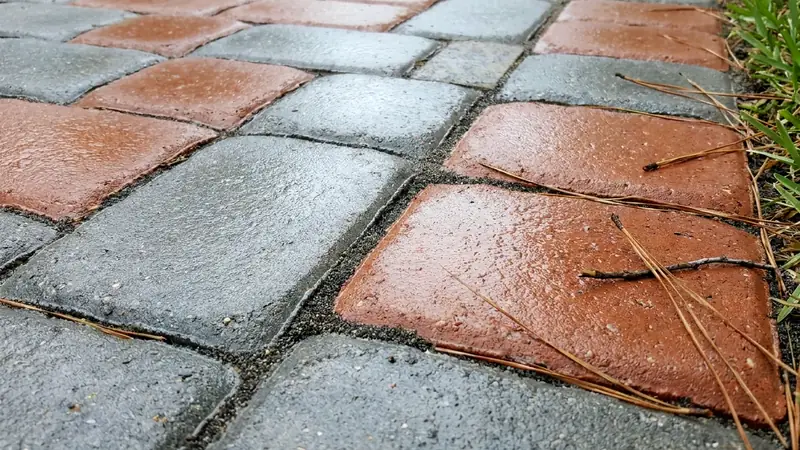
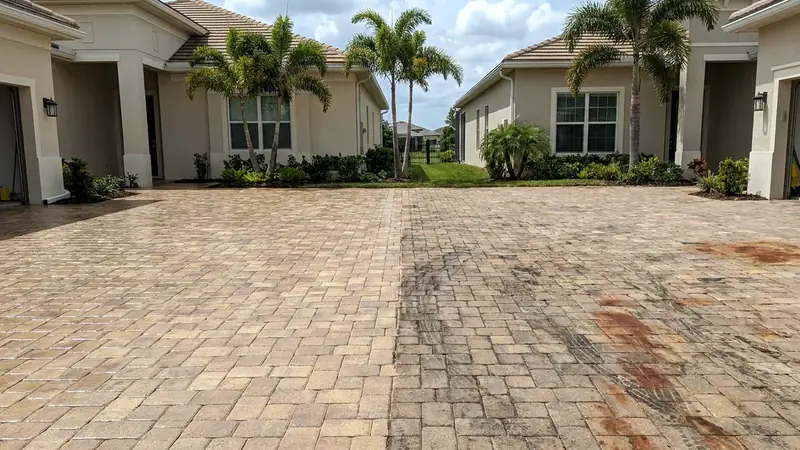
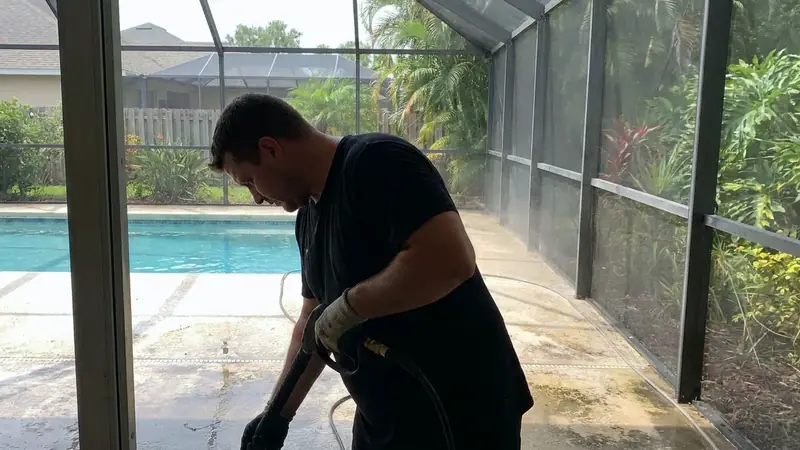
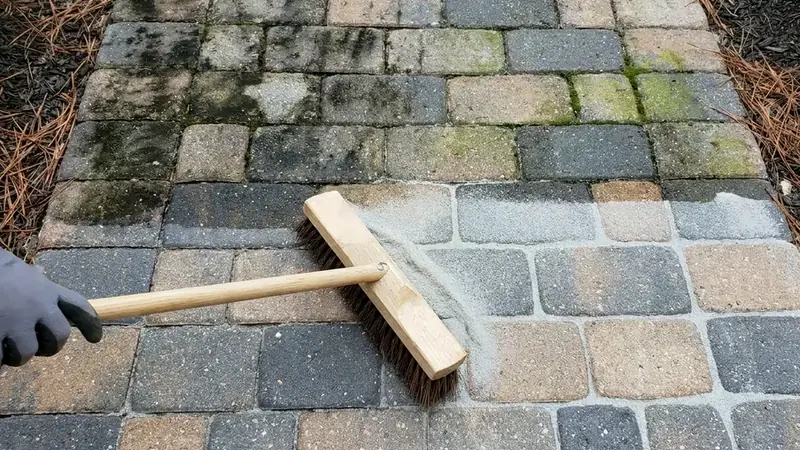
Why local matters in Jacksonville Beach
Why does storm water matter?
A contractor who works the beaches knows that a lot can be fine on Monday and soaked by Wednesday. Storm water has crossed driveways here before, and that history decides how much washing comes first. Someone from far inland may not ask. For a contractor who spends time on the island, call (386) 854-4508.
What does the city say about the right-of-way?
Local work also means knowing the city's rules about the strip between your pavers and the street. The city says many homeowners use right-of-way for pavers, and most of that use needs a revocable permit. A local contractor will flag it early, so send a quick request and ask. A short call now beats a surprise later.
Why does the apron matter?
Driveway aprons matter in Jacksonville Beach, since the city governs how pavers meet the right-of-way. Ask the contractor whether your apron sits in the city right-of-way before any work starts. send a quick request and mention your street.
What did past storms teach?
Matthew hit in October 2016, and Irma flooded a Jacksonville Beach home less than 11 months later. Pavers that lived through both may have lost sand and base support. Expect the contractor to ask how your lot fared. Call (386) 854-4508 and tell the story of your storms.
Is it worth hiring someone who knows the Jacksonville Beach area?
How did Pablo Beach get its name?
Yes, since the place has its own history of wind and water. Pablo Beach took the name Jacksonville Beach in 1925, the same year the Casa Marina Hotel was finished. Hurricane Floyd wrecked the pier in 1999, and the rebuilt pier reopened in 2022, about 12 feet taller. Near any of these landmarks, call (386) 854-4508.
Where do Beach Boulevard and A1A meet?
Beach Boulevard runs three blocks short of the sand and meets A1A, the main commercial street. Latham Plaza and the Seawalk Pavilion at 11 1st Street North show how much of the oceanfront is paved. Your own driveway faces the same sun and salt, so send a quick request and name your block. The estimate is free, and there is no pressure to book.
What did the railroad bring?
The Jacksonville and Atlantic Railroad began in 1883 and carried visitors 16.54 miles from the St. Johns River to the shore. Beach Boulevard now follows that old rail bed, laid in the late 1940s. Your driveway sits in a town that began as a resort. If you live along Beach Boulevard, call (386) 854-4508.
Frequently Asked Questions
Is it good to seal pavers in Jacksonville Beach?
Yes, for most homes this close to the ocean. Sealer keeps color from fading under sun and salt, and it holds joint sand through summer storms. Plan for a fresh coat every few years, since sealer wears down. Ask the contractor what your surface needs before you decide. Regular washing between coats helps it last. A free estimate is a low-pressure way to find out where your pavers stand. Pavers that were never sealed often show the biggest change, since years of salt and sun have already worked in.
How long do paver sealers last in Jacksonville Beach?
Two to five years before the next coat is the span companies commonly quote. One Jacksonville company puts salt-system pool decks and sunny drives nearer 18 to 24 months. Shaded, lightly used patios can go longer. Water that beads means the coat works, and water that soaks in means it is done. A pool with chlorine or salt tends to wear the coat faster. Ask the contractor to look at your own surface instead of guessing.
How much is paver sealing in Jacksonville Beach?
The range companies around Northeast Florida commonly publish is $1.75 to $3.25 per square foot for cleaning, sanding and sealing. Compact jobs price higher per foot, and old failed sealer can raise the total. Have the quote state how many square feet it covers. Pool decks, stairs and gated side yards can add to the total.
Is it better to spray or roll paver sealer?
Many pros do both. One Jacksonville company says crews typically spray and then back-roll for even coverage and to work the product into the joints. Rolling alone can leave lap marks. Ask the contractor how they apply it on your type of paver. A sprayed coat on a rough paver can pool, so back-rolling helps. Heavily textured pavers can soak up more product, so the method matters.
Do you seal pavers before or after joint sand?
Sand goes in first. Washing removes joint sand, so it is replaced and swept clean before sealing, never after. Sealer then helps lock the sand where it was put. This matters on a barrier island where storms push loose sand around. Play sand does not suit pavers, so ask what product is used. Have the order of work written on your estimate.
Can salt air damage pavers in Jacksonville Beach?
Salt does not ruin the pavers themselves, according to one local paver company. It leaves a white film and speeds fading, and the base and joints are what fail. Sealing and regular rinsing help the surface keep its color. Pale pavers show salt marks sooner, so a blended neutral tone can hide them. A free estimate can show whether your lot has film, fading or both. With salt spray reaching a couple of miles inland, according to University of Florida plant guidance, even homes away from the sand see some.
Do I need a permit to change pavers by the street in Jacksonville Beach?
Possibly. The city says most use of its right-of-way for pavers needs a revocable encroachment permit. Call the city to confirm your address before work. Work on pavers inside your own property line is a separate matter from the strip by the street. Your contractor can also tell you which question to ask city staff.
How long until I can park on a freshly sealed driveway in Jacksonville Beach?
Plan on walking within a few hours and parking elsewhere for about a day. Weather and the product can change that. Get the exact wait in writing so you can plan where to park. A wet day pushes back the time before tires can go on it. Ask about pets and bikes too, since paws and tires leave marks. Pool decks and steps may carry a longer wait, so ask before you plan a party.
Ready for a Free Estimate in Jacksonville Beach?
Call (386) 854-4508 and tell us about your pavers.
Free, no obligation